

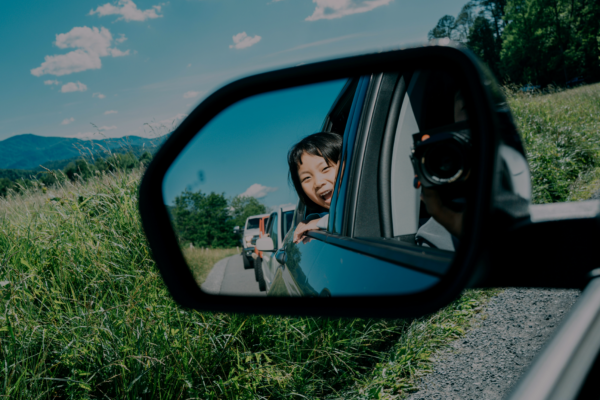
Spring break is often filled with road trips, flights, hotel stays, and family adventures. While the goal is usually to relax and have fun, it’s also a great opportunity to keep young minds active without making vacation feel like school. Learning on the go doesn’t require worksheets or formal lessons. With a little bit of creativity, travel itself can become the classroom.
Here are some simple, age-appropriate ways to build academic skills while making memories over spring break.
Ages 4 to 6: Playful Exploration
Young children learn best through observation and conversation.
Skills Built: vocabulary, early math, observation, listening, and curiosity
On the Road or in the Airport
- Play “I Spy” using letters, colours, or shapes
- Count signs, suitcases, or passing cars
- Practise simple addition using snacks or travel items
At Your Destination
- Talk about new plants, animals, or weather
- Ask simple questions like, “What are some things that are different here than at home?”
- Read one short book before bed about a related topic, such as beaches, cities, or nature
Ages 7 to 9: Turning Travel Into Discovery
Elementary students enjoy feeling involved and capable.
Skills Built: geography, math, reading comprehension, and written expression
Before the Trip
- Have your child look at a map and learn your route
- Research some fun facts about the destination
During Travel
- Estimate travel time and track progress
- Keep a small travel journal to write about daily highlights
- Play spelling or math games using license plates or prices on menus
At Your Destination
- Visit a museum, historic site, or nature venue and ask your child to share three things they learned
Ages 10 to 12: Real World Learning
Preteens benefit from connecting academics to real-life applications.
Skills Built: financial literacy, analysis, summarizing, and organization
Planning and Budgeting
- Give them a simple budget for snacks or souvenirs and let them track spending
- Compare prices and calculate totals, including tax
Critical Thinking
- Discuss cultural differences if travelling somewhere new
- Read informational signs and summarize key points
Creative Reflection
- Challenge them to create a short presentation, photo story, or written recap after the trip
Ages 13 and Up: Independence and Insight
Older students can take more ownership of the learning process.
Skills Built: research skills, time management, global awareness, and critical thinking
Trip Research
- Have them research local history, landmarks, or current events
- Discuss how local cultures, environments, or customs differ from those at home
Practical Application
- Calculate currency exchange rates if travelling internationally
- Plan part of a day’s itinerary within a time limit
Reflection
- Encourage journaling about observations and personal experiences
- Connect travel experiences to topics they are studying in school
Keeping It Light and Meaningful
The goal is not to structure every moment of your trip. Instead, look for natural learning opportunities that spark curiosity. Asking questions, encouraging reflection, and involving children in decision-making can turn everyday travel moments into meaningful academic experiences.
Spring break is about balance. By weaving small, fun educational activities into your plans, students can return to school refreshed and still mentally engaged.