

As the days get shorter and the weather cools, fall is the perfect time to get comfortable and dive into a good book. But if your child isn’t the biggest fan of reading, getting them to pick up a book can sometimes feel like a challenge.
The good news is that reading doesn’t have to feel like homework. With some creativity, you can help your child discover stories they love while building their reading skills. They may even end up looking forward to reading time. Here are five ways to make reading more fun this fall.
1. Create a Comfortable Reading Spot
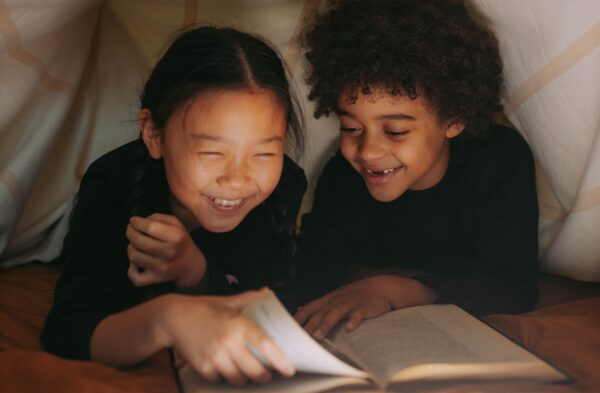
There’s something extra enjoyable about curling up with a blanket and a good story on a chilly fall day. Why not create a little reading spot at home where your child can relax and enjoy a book? It doesn’t have to be anything fancy. A few pillows, a nice blanket, and a basket of books can turn a corner of the living room into a reading nook. Let your child help set it up and choose a few books to keep nearby.
You can even make it part of your evening routine. Spend 15 minutes reading together before bed or set aside some time on a weekend afternoon. The goal isn’t to get through a certain number of pages. It’s to help your child associate reading with comfort and enjoyment.
2. Let Your Child Choose the Books
If you’ve ever tried to convince your child to read a book they aren’t interested in, you know it can be an uphill battle. Sometimes, the easiest way to get them excited about reading is to let them take the lead. Not every child wants to read the same types of stories, and that’s perfectly fine. Some love funny stories, while others prefer mysteries, adventures, graphic novels, or books about their favourite animals or sports. It’s a great way for them to discover new interests.
For younger readers, try The Gruffalo by Julia Donaldson and Axel Scheffler. Its fun rhymes and clever storyline make it a great choice for reading together. For older children, Dog Man by Dav Pilkey is a popular option for readers who enjoy humour and action. Graphic novels are a great way to encourage children who might find pages of text intimidating.
Reading doesn’t always have to mean sitting down with a traditional chapter book. Comics, magazines, joke books, and age-appropriate nonfiction count too.
3. Bring Fall Stories to Life
Fall offers plenty of story inspiration, from bright leaves and pumpkin patches to spooky mysteries and Halloween adventures. Choose a seasonal book and make it part of the experience. If you’re reading about pumpkins, visit a pumpkin patch together. If the story involves falling leaves, collect a few outside and talk about their different shades and shapes.
You can also encourage your child to create their own fall story. What would happen if a pumpkin came to life? What might a squirrel do to prepare for winter? Could they write a mystery about a friendly monster or a missing black cat? For younger children, Room on the Broom by Julia Donaldson and Axel Scheffler is a fun autumn read featuring a funny witch and a growing group of animal friends. For older elementary readers who enjoy suspense, The Haunted Library by Dori Hillestad Butler offers a spooky chapter-book mystery.
When reading connects to something children can see or do, stories can become much more engaging.
4. Make Reading a Family Activity
Children often take their cues from the adults around them. When they see parents enjoying a book or a newspaper, it shows them that reading is for pleasure, not just for school. Try setting aside a little time for everyone in the family to read their own book. You could also take turns reading a story aloud, with your child reading a page and you reading the next.
For children still developing their reading skills, reading aloud together can take the pressure off. They can enjoy the story while practising their skills in a calm, supportive environment. And don’t be afraid to have a little fun! Use different voices for characters, or pause to guess what might happen next. Reading together is a great opportunity to connect with your child and share a few laughs along the way.
5. Celebrate Progress, Not Just Pages
If reading is difficult for your child, they may easily feel discouraged. They may compare themselves to classmates or siblings or get frustrated when they encounter unfamiliar words. This can make them think that they’re just not good at reading. That’s why it’s important to recognize the small wins.
Perhaps your child finished a book on their own for the first time or figured out a tricky word without help. These moments deserve encouragement. You could create a family reading chart, track books you’ve read together, or let your child choose a special activity or treat after they reach a reading goal. Just be mindful not to turn reading into another chore by attaching rewards to every page. The goal is to help your child feel proud of their progress and discover that reading can be enjoyable on its own.
If reading remains a struggle, remember that progress looks different for every child. Some need more practice, while others benefit from a different approach, tutoring or other extra support.
Helping Your Child Discover a Love of Reading
Remember, there’s no single right way to get children interested in reading. What works for one child might not work for another, and that’s perfectly fine. Start with their interests and give them opportunities to explore different kinds of books. Even a few minutes of enjoyable reading each day can help build a positive routine over time.